what we stand for
Sovereign oriented detection for Earth Observation
Open-source tooling, transparent practices, and shared knowledge
for production-grade oriented object detection on satellite imagery
Build and maintain oriented-det as an open-source EO framework
DL4EO is the editor of oriented-det, an open-source PyTorch framework for oriented and rotated object detection in aerial and satellite images — ships, aircraft, vehicles, and more. Oriented bounding boxes are the core representation, not a side feature: they capture heading, footprint, and dense-scene geometry that axis-aligned detectors miss. It covers optical and radar imagery, from training and evaluation through to inference on large scenes. Overview: oriented detection in aerial and satellite images. See also PyPI and the documentation.
Sovereignty through real open source
Oriented-det is released under the Apache license: auditable, forkable, and free of platform lock-in. Teams can run it on-prem, in a private cloud, or in regulated environments — with no hosted-inference requirement. License clarity matters for institutional and commercial programmes where supply-chain control and long-lived maintainability are non-negotiable. You own the stack, the data path, and the deployment surface.
Share knowledge and raise operational standards
Technology alone does not deliver oriented detection in production — teams need reproducible metrics, sound tiling strategies, and honest evaluation on real EO data. DL4EO publishes benchmarks, documents edge cases, and shares lessons learned so that adoption is built on trust, not black boxes. Training, mentoring, and community engagement remain central to turning open-source tooling into deployable capability. Tutorials and release notes live on deeplearning.earth.
how we help teams
Our services
Training, support, and project delivery
around the oriented-det framework for satellite imagery
Training and workshops on oriented-det
Hands-on sessions for teams adopting oriented object detection: install and configure oriented-det, prepare EO datasets with proper tiling and annotation, train and evaluate models, and interpret oriented metrics. Formats range from half-day intros to multi-day programmes tailored to your imagery, classes, and deployment constraints.
Consulting and technical support
Expert guidance when you need to move from experiment to production: architecture choices, dataset design without leakage, oriented evaluation, post-processing for dense scenes, and packaging for on-prem or private-cloud deployment. Ongoing support helps your team maintain velocity without rebuilding the stack from scratch.
Project delivery with oriented-det
End-to-end projects to deliver a sovereign oriented detector for your use case — from scoping and annotation strategy through model training, qualification, and deployment. Typical engagements run 2 weeks to 3 months and produce reproducible pipelines, documented metrics, and production-ready containers your team can operate independently.
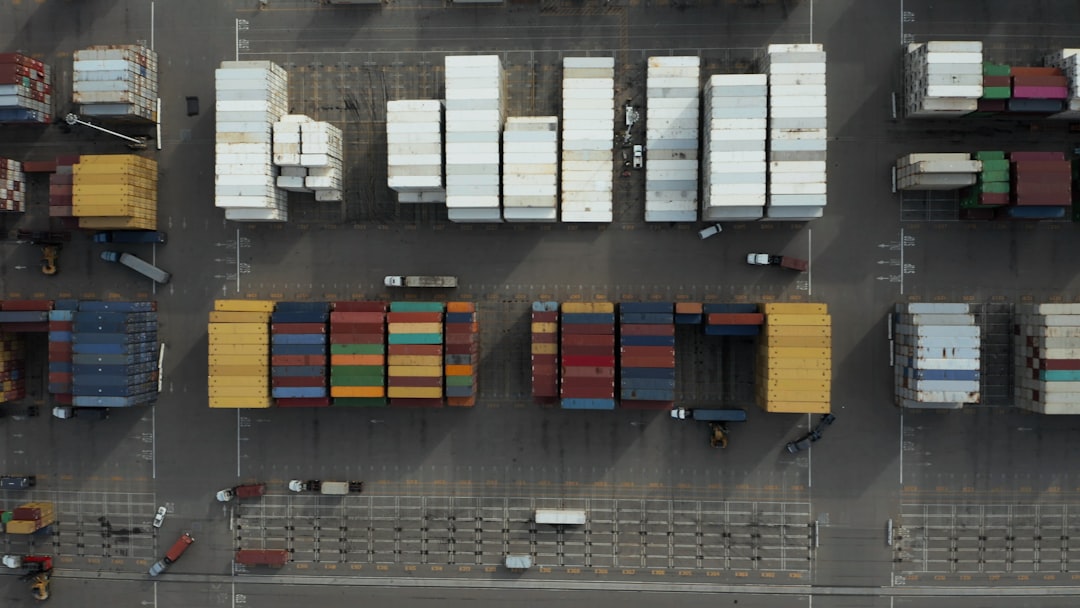
examples
Oriented boxes on optical satellite imagery
The live demo runs multi-class oriented detectors from oriented-det (Oriented R-CNN, Rotated Faster R-CNN, and FCOS). Oriented boxes capture heading and footprint — for aircraft, vehicles, ships, storage tanks, and other objects in dense scenes such as harbours, airports, and industrial sites.
The scenes below are examples, not a closed catalogue. The live demo already includes further classes such as bridges, harbours, and sports fields; we also train on rare equipment or labels specific to your programme.
View demo Read tutorials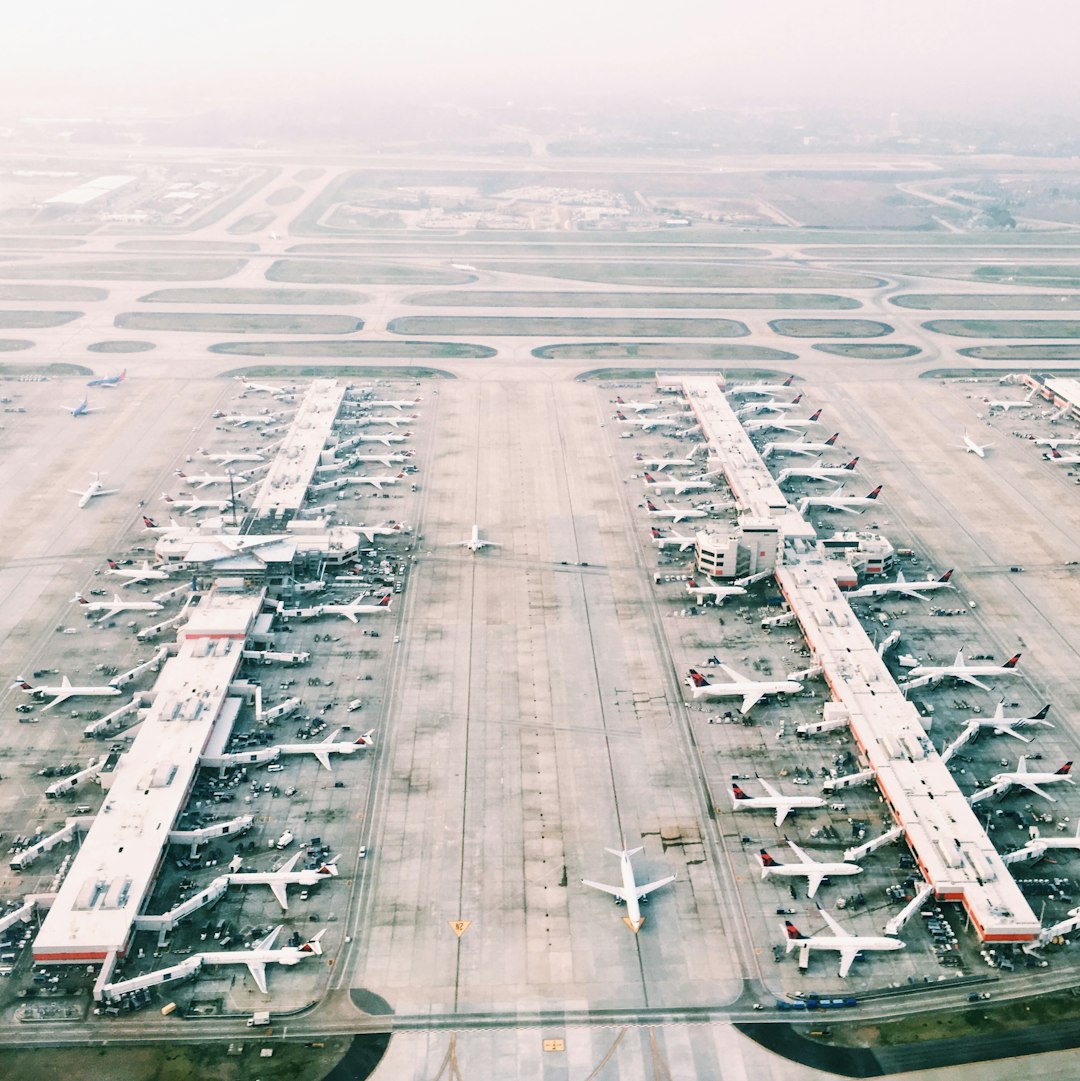
aircraft
Planes
On airport aprons, heading and wingspan matter as much as location. Oriented boxes follow the fuselage instead of swallowing neighbouring aircraft in an axis-aligned rectangle. The public demo includes a Pleiades airport scene.
Read article View demo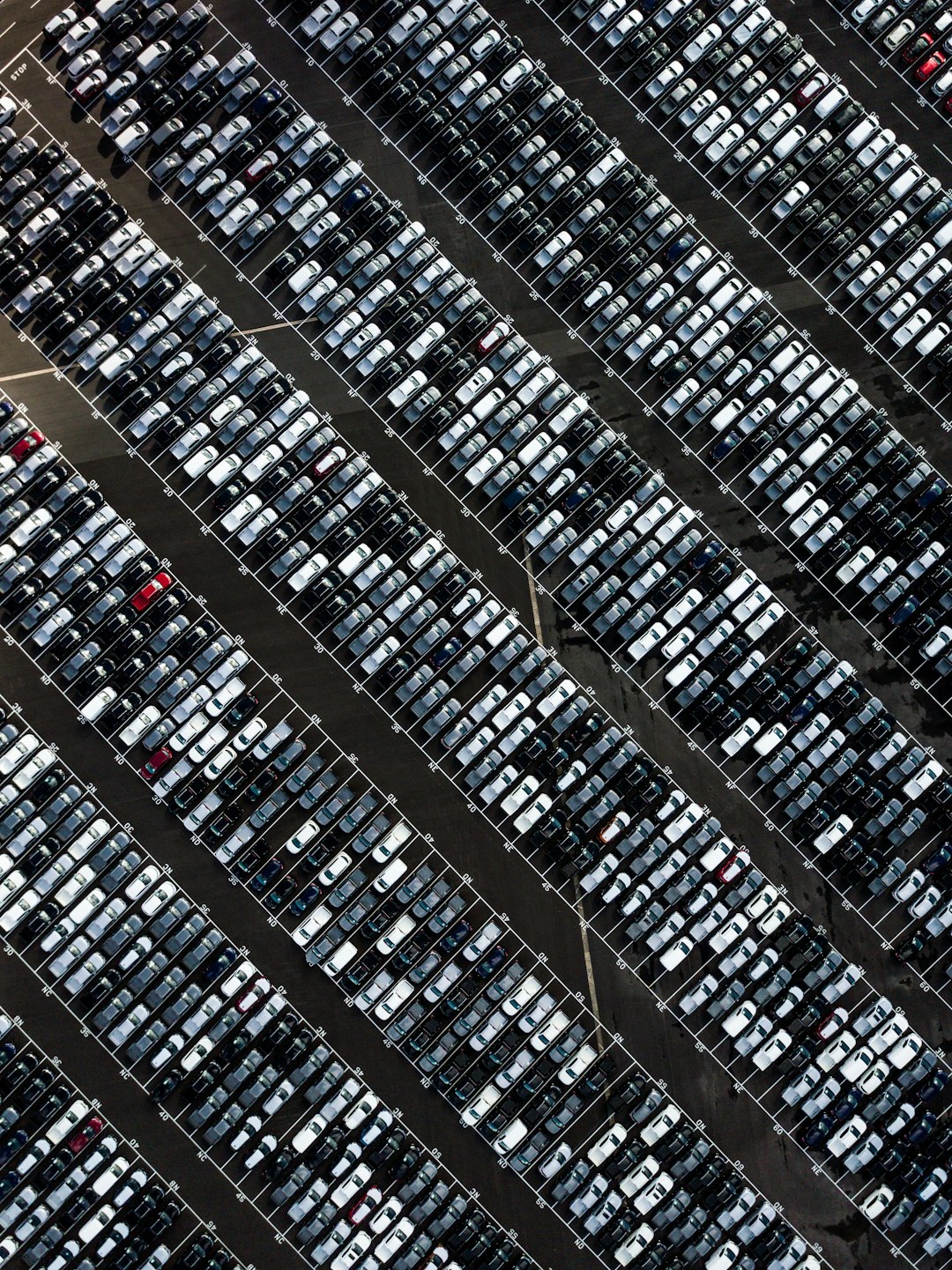
vehicles
Cars, trucks, and buses
Vehicles show up under about 50 cm GSD; oriented boxes work well at 30 cm and below. Parking lots and dense traffic are where axis-aligned detectors fail first. The demo includes DOTA vehicle tiles. For rare or military types, we design the dataset with you — including when synthetic imagery is the only way to balance the tail.
View demo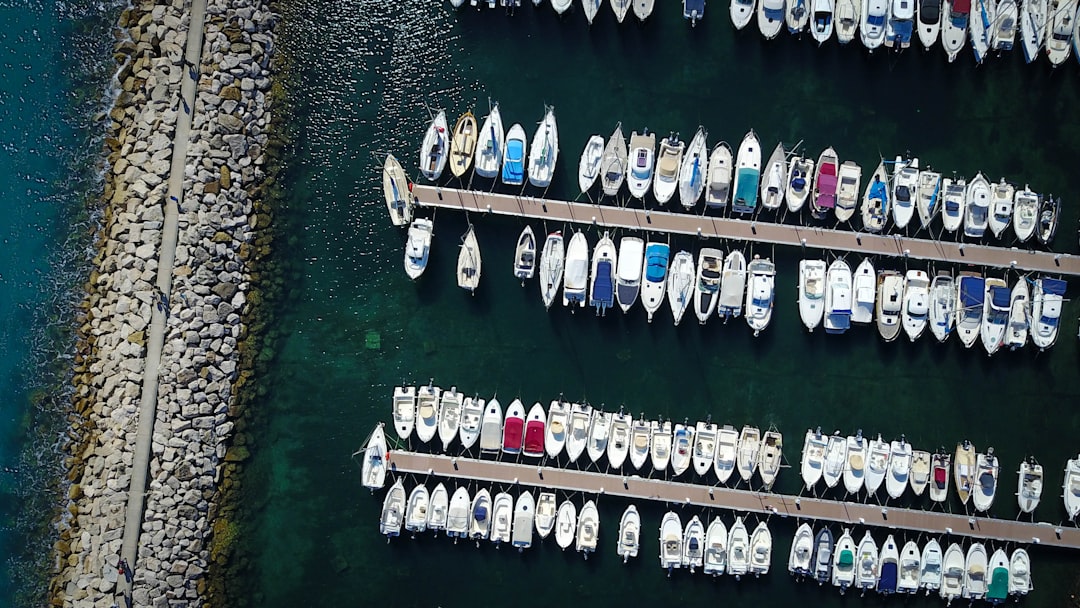
ships
Vessels and harbours
An oriented box gives you both footprint and heading, from 10 m down to 30 cm imagery. That is what you want in a busy marina or an open-water tile. The demo includes harbour scenes; a related walkthrough runs a public checkpoint on a Copernicus Sentinel-2 crop. The same stack also finetunes on SAR research chips for weather / night vessels — see SSDD and HRSID. Those are research recipes; production still needs your licensed SAR.
Read article View demo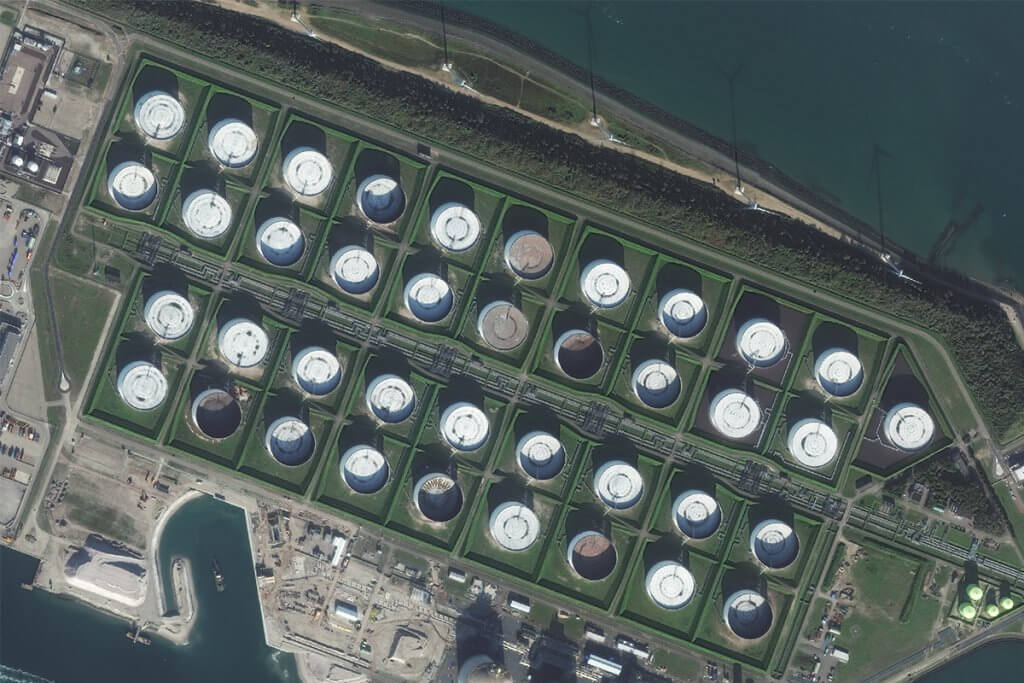
oil storage
Tanks and POL sites
Storage tanks are visible on medium-resolution optical imagery (SPOT and similar), down to a few pixels across. Oriented detection on a tank farm is a good mentoring subject: scoping, annotation, training, and qualification on content you provide. The public demo includes a SPOT storage scene. Other industrial and infrastructure classes follow the same workflow.
View demo Our services